STRENGTHENING LEADERSHIP COMMUNICATION
AT IPOS INTERNATIONAL
Empathetic Conversations And Conflict Navigation For Leaders
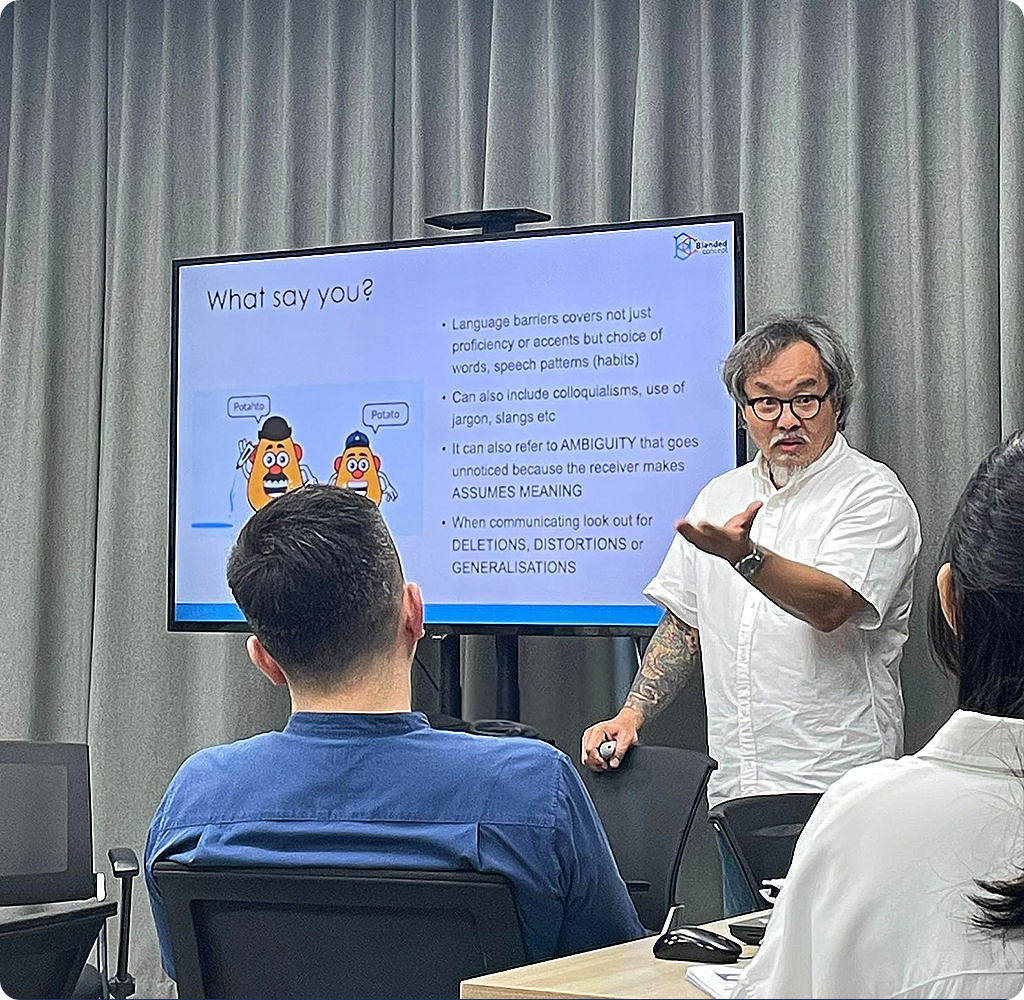
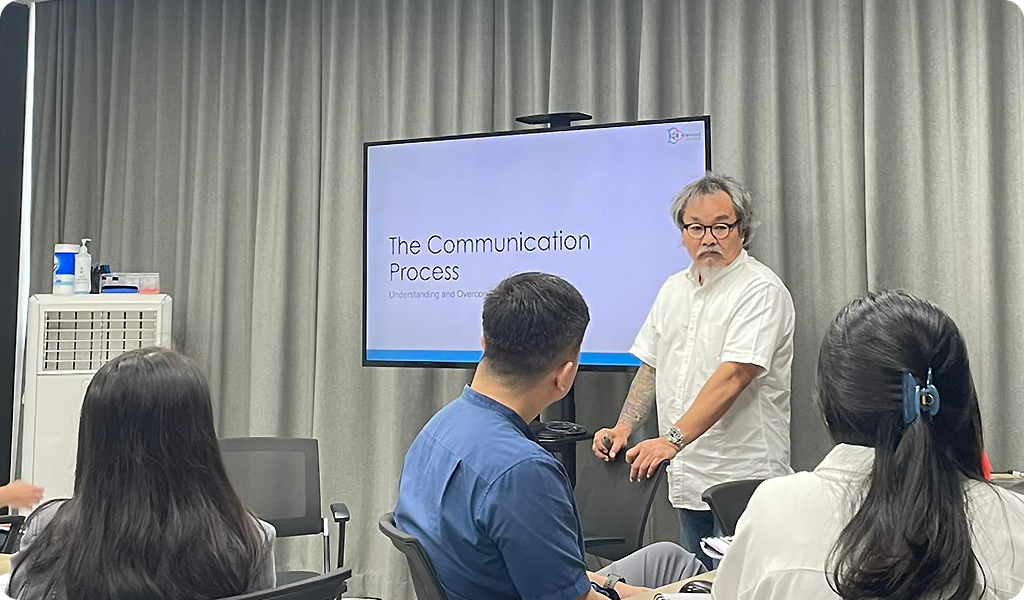
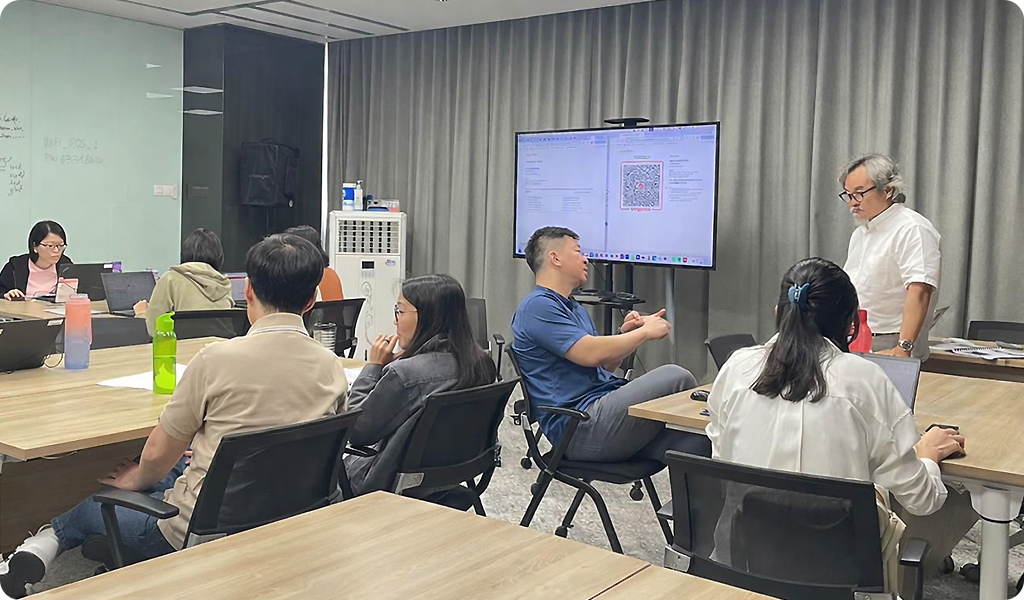
IPOS International partnered with Blended Concept to equip its leaders with structured communication and leadership tools to navigate complex workplace interactions.
Through a combination of para-counselling skills, motivational interviewing techniques, and leadership workshops, the programme focused on strengthening empathetic leadership, conflict resolution, and team engagement.
leaders trained in empathetic communication
0
leadership capability modules delivered
0
participation from leadership cohort
50%
The Challenge
Leaders at IPOS International play a critical role in guiding teams, managing workplace dynamics, and delivering constructive feedback.
As organisations grow, leaders must navigate increasingly complex conversations involving:
• Performance discussions and feedback • Team conflicts and disagreements • Employee motivation and engagement • Workplace change and resistance
To address these challenges, IPOS sought to strengthen leadership communication capability by equipping leaders with practical tools grounded in emotional intelligence, structured dialogue techniques, and adaptive leadership practices.
The objective was not just communication training, but enabling leaders to handle sensitive conversations with confidence while maintaining trust and professionalism within their teams.
The Approach
Blended Concept designed a leadership communication framework combining counselling-based communication techniques with practical leadership development.
Para-Counselling Skills for Leaders
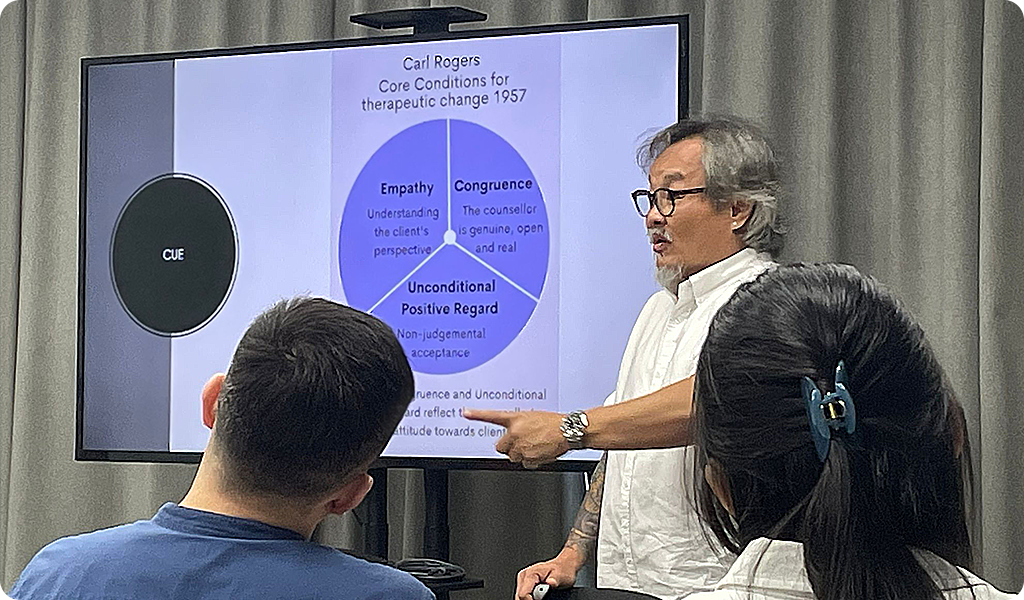
A foundational training programme equipping leaders with micro-counselling techniques to strengthen empathetic listening and supportive workplace conversations.
Participants practised:
• Active listening and empathetic communication • Delivering feedback with clarity and sensitivity • Navigating emotionally charged discussions • Supporting employees while maintaining professional boundaries
This programme provided the communication foundation for meaningful leader-employee interactions.
Motivational Interviewing for Change Conversations
Motivational Interviewing techniques were introduced to help leaders guide employees through resistance and workplace challenges.
Leaders developed skills to:
• Facilitateconstructive dialogue around change • Reduce defensiveness in difficult conversations • Encourage employees to discover their own motivation for improvement • Strengthen accountability and ownership within teams
These techniques are widely used in coaching and behavioural change frameworks.
Leadership Workshops on Conflict and Team Dynamics
Targeted workshops reinforced leadership capability through practical application.
Participants explored how leadership styles influence decision making, team relationships, and conflict resolution.
Through experiential exercises, leaders practised applying these concepts to real workplace scenarios.
The Results
18 leaders equipped with structured communication and counselling-informed leadership techniques
Improved confidence in navigating sensitive conversations and workplace conflicts
Strengthened leader-employee engagement through empathetic communication practices
Increased leadership awareness of different leadership styles and their impact on team dynamics
Practical tools introduced for guiding difficult conversations and facilitatingconstructive change
Most importantly, the programme enabled IPOS leaders to approach challenging workplace conversations with greater clarity, empathy, and professionalism.
By integrating counselling-based communication techniques with leadership development frameworks, the programme strengthened leadership capability while supporting a more engaged and psychologically safe workplace environment.
This structured approach ensures leaders are better equipped to guide teams, manage conflicts constructively, and foster stronger workplace relationships.