
Raising Resilient Youth Starts With Us
An evening with Joe Chan and Alastair Tan exploring how everyday adults can help young people build confidence, resilience and hope.
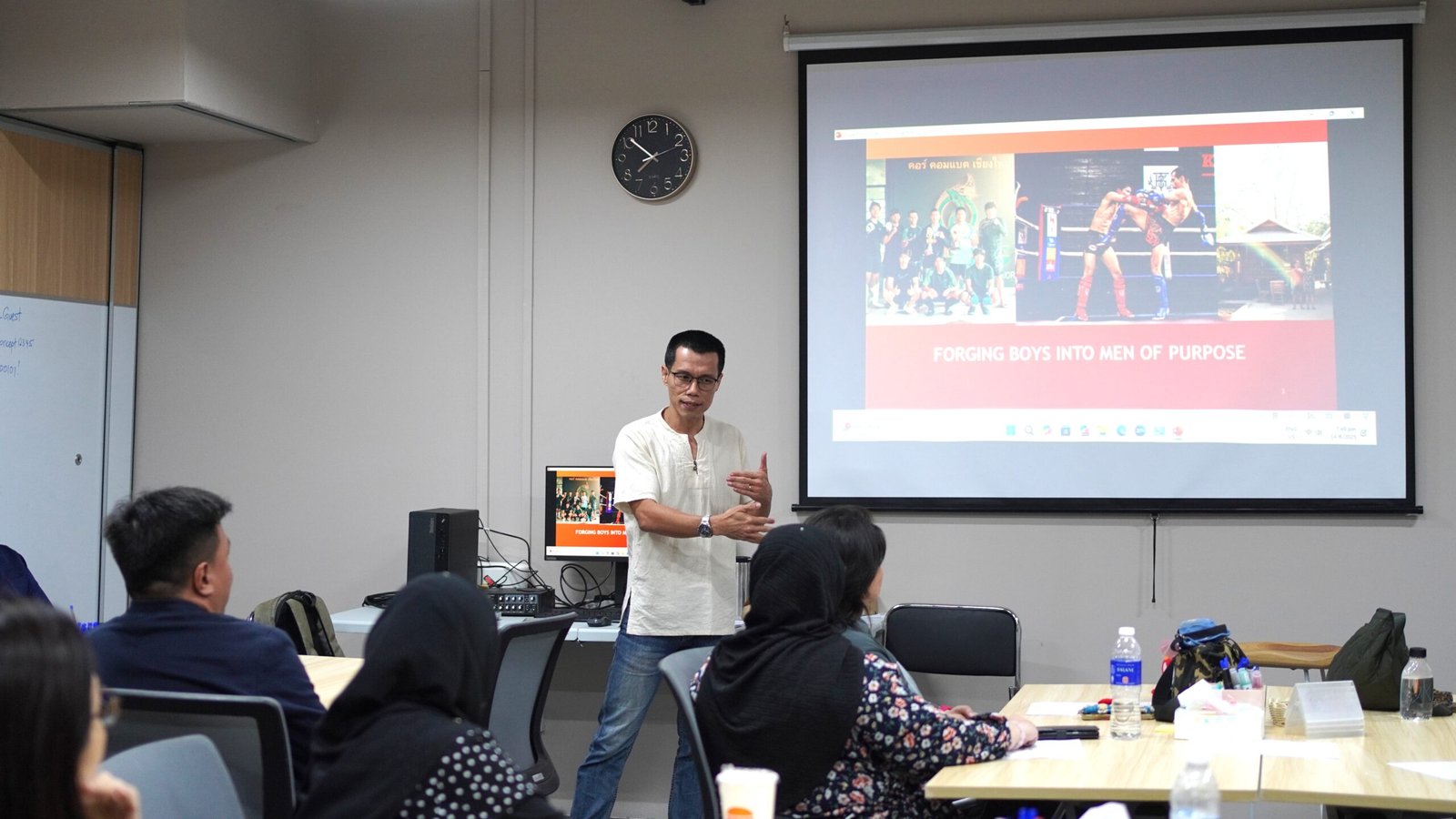
Young people today are growing up in a world that is more connected than ever, yet many feel increasingly isolated, overwhelmed and uncertain about the future.
At our latest Upliven Community event, Joe Chan and Alastair Tan explored a question many parents, educators, mentors and community leaders ask:
How do we help young people become more resilient?
The conversation wasn't about making young people tougher. It was about helping them develop the confidence, support and coping skills needed to navigate life's inevitable challenges.
Drawing on evidence-informed approaches to youth development, the session highlighted that resilience is not an innate trait but a capacity that can be nurtured over time.
Resilience Is Built in Relationships
One of the strongest messages from the evening was that resilience doesn't grow in isolation.
Young people thrive when they experience consistent, caring relationships with adults who believe in them.
Parents. Teachers. Coaches. Mentors. Youth workers.
These relationships create psychological safety—the confidence that mistakes do not define our worth and that growth is always possible.
This mirrors one of the key principles discussed during the event: resilience is co-created through supportive relationships, opportunities for reflection and safe spaces to learn from setbacks.
Resilience is not something we give young people. It is something we grow together through relationships, trust and everyday conversations.
Listening Before Leading
Joe and Alastair challenged a common instinct many adults have.
When young people struggle, we often rush to offer solutions.
But before advice comes understanding.
Sometimes the most helpful response is simply being fully present.
Listening. Reflecting. Affirming. Creating space for young people to make sense of their own experiences.
Because resilience isn't only built by solving problems. It is built by learning that someone is willing to walk through those problems alongside us.
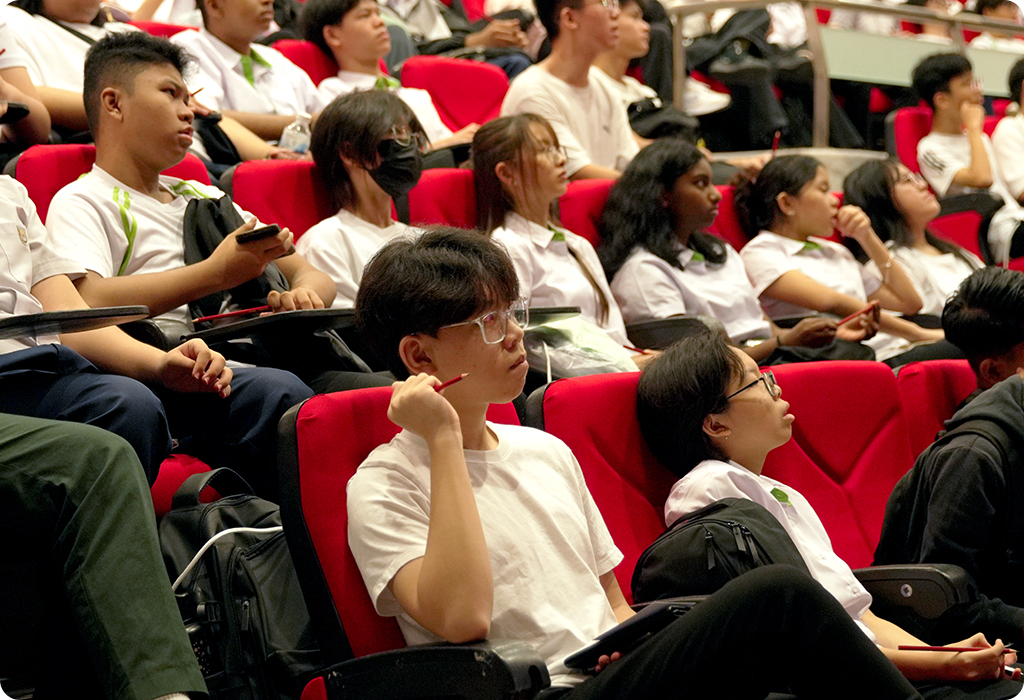
From Fixing to Empowering
Rather than focusing solely on outcomes, the session encouraged participants to help young people develop lifelong coping skills.
Naming emotions. Understanding what they can and cannot control. Learning to reframe setbacks as opportunities for growth.
These practical tools help young people become more adaptable—not because life becomes easier, but because they become better equipped to navigate it.
These strategies were explored alongside empathy skills and reflective conversations as foundations for resilience.
Every Adult Makes a Difference
Whether you are raising your own children, mentoring young people at work, coaching a sports team or volunteering in your community, your influence matters.
Every encouraging conversation.
Every moment of patience.
Every opportunity to help a young person reflect instead of react.
These moments shape resilience in ways we may never fully see.
Raising resilient youth begins with raising the quality of our conversations.
At Upliven Community, we believe building resilient youth begins with building resilient adults—people who are willing to listen deeply, communicate with empathy and create environments where young people feel safe enough to grow.
When we choose connection over correction, curiosity over judgement and presence over quick solutions, we help create the conditions where resilience can flourish for the next generation.